

Recurring summer droughts and prolonged autumn water restrictions in France have repeatedly forced municipalities to rely on emergency tanker trucks and bottled water. The issue becomes clear, as traditional drinking water infrastructure depends on stable groundwater reserves and static treatment processes.
As climate change increases the frequency of hydroclimate whiplash (rapid swings between summer dry spells and heavy autumn rain), raw water quality fluctuates unpredictably. Flash storms wash micro-pollutants and agricultural runoff into surface waters, while falling groundwater tables concentrate contaminants like nitrates and heavy metals.
Standard operational protocols rely on off-site laboratory testing with turnaround times ranging from several days to weeks. This analytical lag prevents utility operators from evaluating raw water quality, making it difficult to safely switch between water sources.
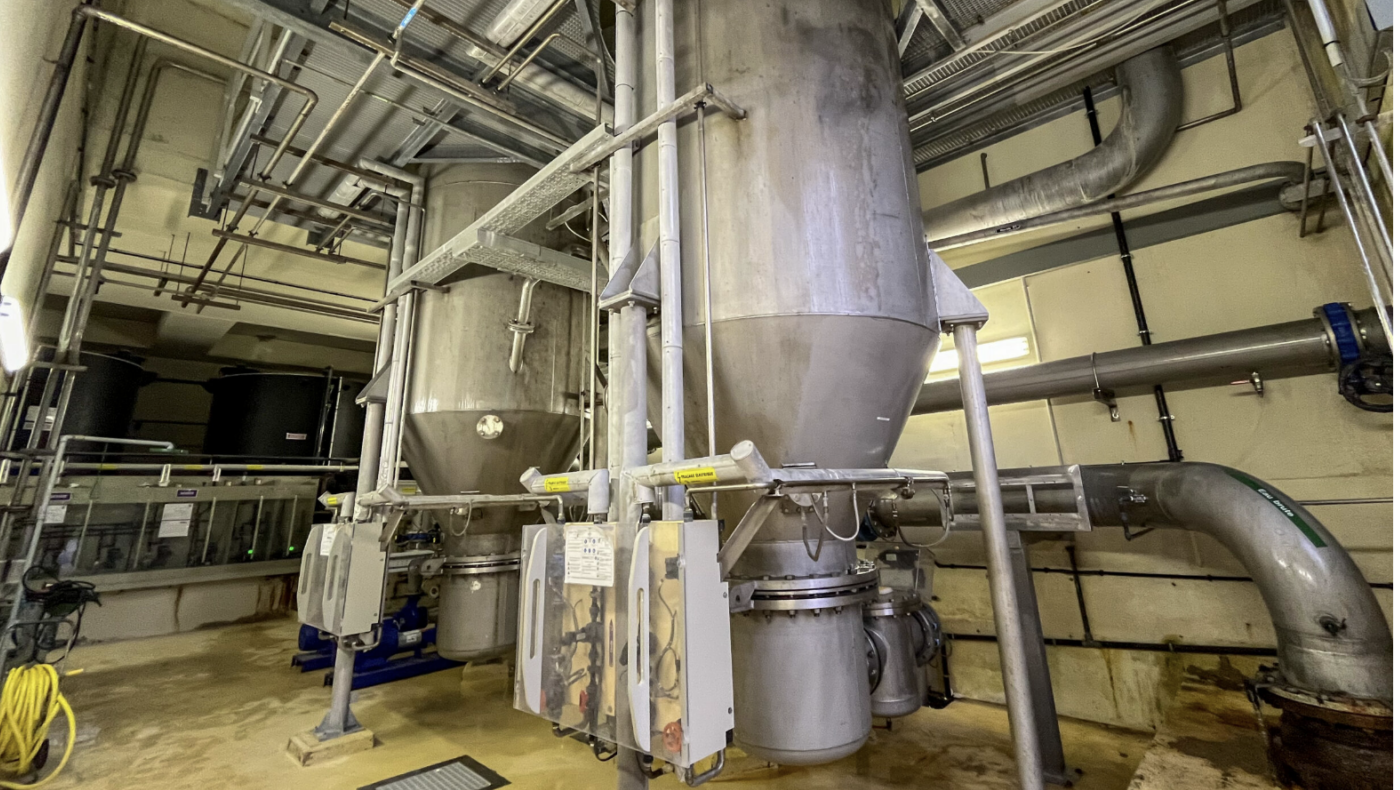
The ToDrinQ project addressed this issue by integrating real-time digital monitoring directly into existing treatment infrastructure. At the project’s French demo site in Beaune, researchers tested online sensor suites and decision-support tools in real-time. This digital monitoring framework helped to provide several operational capabilities:
- Dynamic Source Switching: Operators continuously assess the quality of secondary surface or groundwater sources, enabling safe source interoperability when primary wells drop below critical levels.
- Filter Optimization: Real-time tracking allows utilities to optimize Granular Activated Carbon (GAC) filtration systems, extending filter lifespans and ensuring targeted removal of emerging pollutants.
- Reduced Response Lag: Water quality anomalies are detected immediately at the plant level, moving operational workflows from reactive laboratory verification to automated, proactive process control.
By shifting drinking water management from reactive crisis response to continuous, data-driven adaptation, the ToDrinQ project offered a scalable blueprint for municipal utilities across Europe. Equipping existing plants with real-time digital intelligence allows water managers to adapt instantly to climate shocks, safeguard public health and replace costly emergency trucking with proactive operational control.